Navigating Cancer Care: Holistic Strategies for Survivorship and Wellbeing
Navigating life after a cancer diagnosis can feel like embarking on an intricate maze of emotions, treatments, and newfound responsibilities. For many, the journey through oncology can be daunting, leaving lingering questions about recovery, health, and personal wellbeing. How can we not only endure cancer treatments like chemotherapy and radiation therapy but also thrive beyond those moments? The answer lies in integrating holistic health into daily life, empowering cancer survivors to take charge of their healing journey and embrace a lifestyle that fosters recovery and resilience.
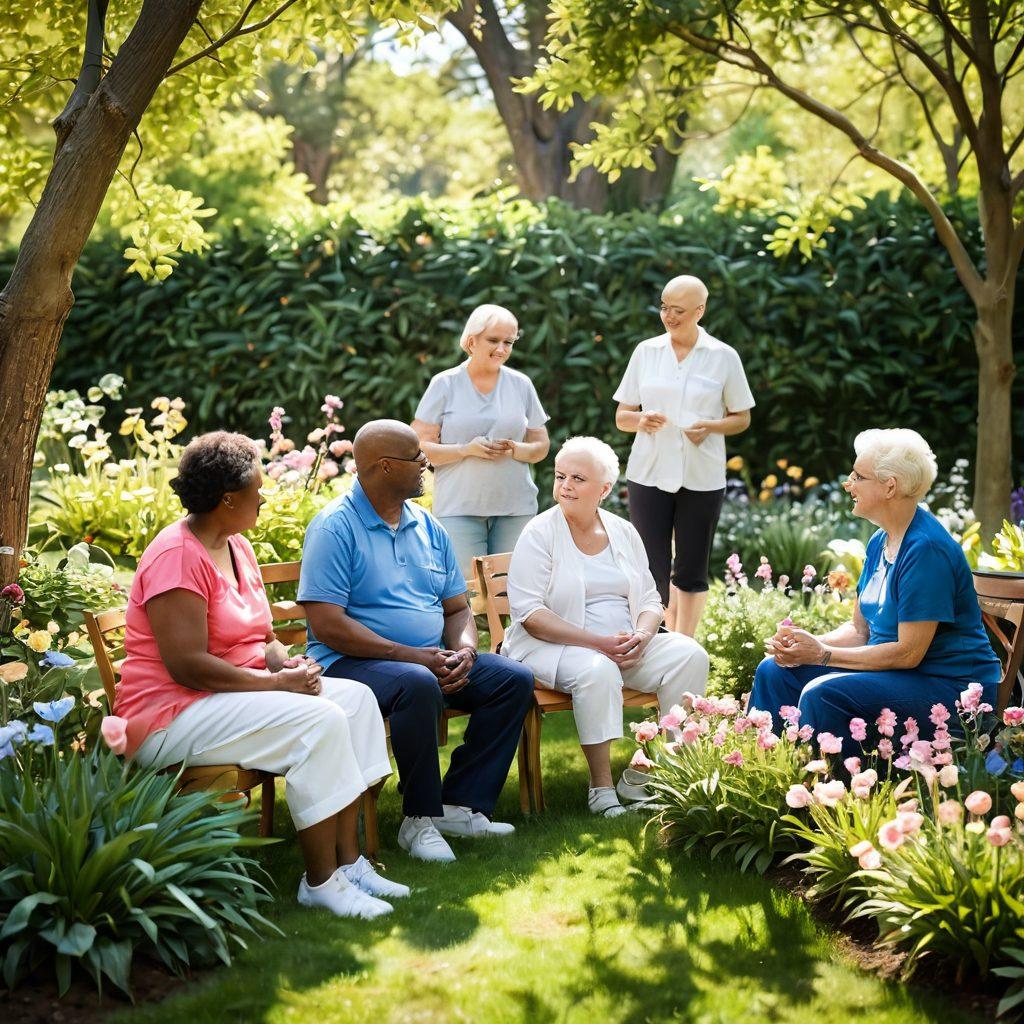
Imagine waking up each day with a renewed sense of purpose and determination—this sentiment is at the heart of survivorship. A recent study notes that survivors who participate in support groups often find solace in shared experiences, ultimately cultivating a profound sense of community support. Survivor’s stories are sprinkled with hope and recovery, demonstrating the strength of their spirit and the effectiveness of coping strategies that prioritize mental health alongside physical wellness. What if you could transform your routine into a source of empowerment while engaging in meaningful advocacy for others?
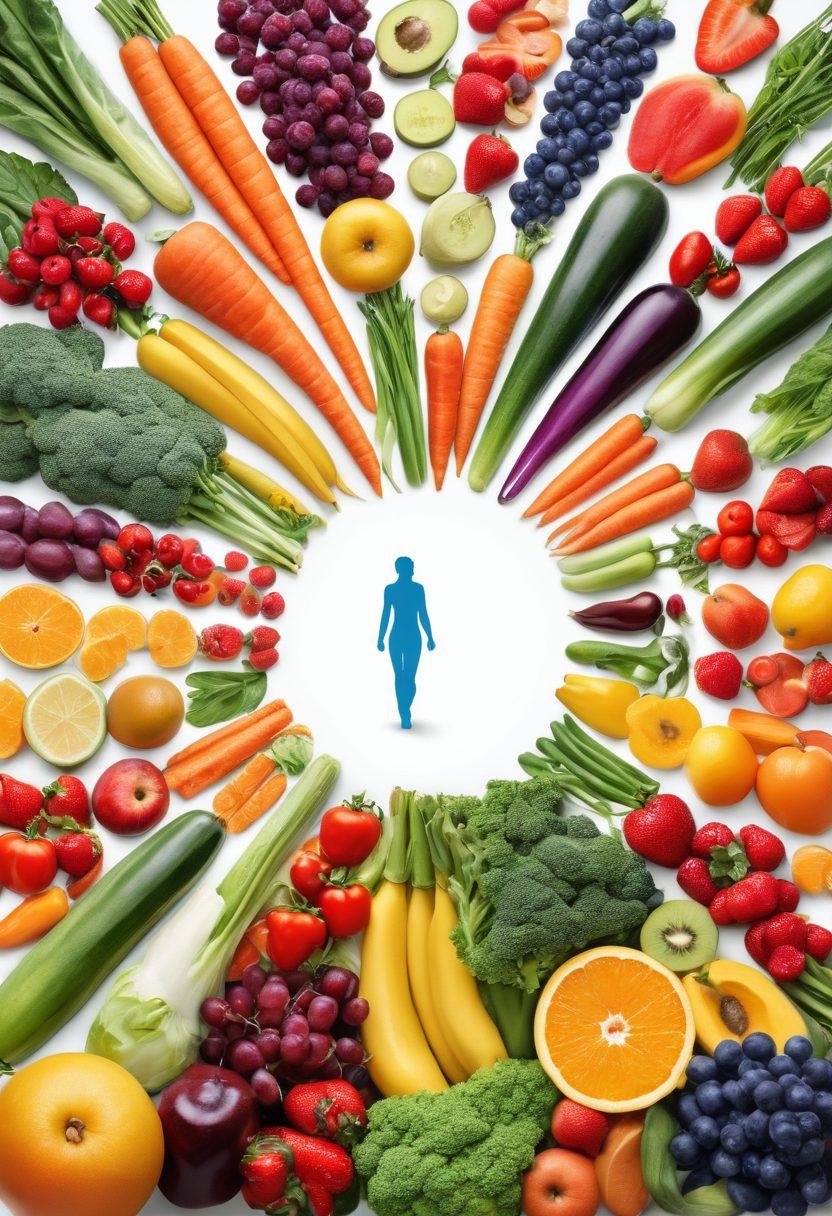
Nutrition and lifestyle choices play crucial roles in managing one’s wellbeing post-cancer treatment. Did you know that incorporating nutrient-rich foods can not only nourish the body but also bolster the immune system? Research suggests that specific diet choices can aid in symptom management and even complement medical treatments like immunotherapy. So, what are you waiting for? Start exploring the realm of holistic health by adding vibrant fruits, vegetables, and whole grains into your meals. You'd be surprised at the power of a nutritious plate in disease prevention and recovery.
As you navigate this new chapter, consider embracing complementary therapies as a part of your healthcare plan. These can seamlessly align with traditional treatments and provide immense benefits when used alongside palliative care approaches. Whether it’s yoga, acupuncture, or meditation, integrating these techniques can foster not only physical healing but also mental clarity. Have you thought about the significance of connecting with your body through mindful practices? This interaction can build resilience and provide a structured outlet for emotions that accompany survivorship.
In the spirit of advocacy, remain informed about advancements in treatment and participating in clinical trials that can pave the way for innovations in cancer care. Knowledge is power, and patient education can make a tangible difference in your journey. By discussing risk factors, screening and detection, and welfare programs, cancer survivors can elevate their own care and support others in their inflection point. So as you nurture your own wellbeing, consider how you can inspire and uplift fellow survivors, creating ripples of positivity in the community. After all, in a world under the shadow of malignant tumors, your story could ignite hope for someone else making the same journey.
From Treatment to Thriving: Essential Strategies for Cancer Care and Recovery
Navigating the turbulent waters of cancer care can often feel like an overwhelming journey. From the initial diagnosis to the culmination of treatment, every step can swirl with uncertainty and emotional turmoil. However, the transition from treatment to thriving is not just a dream; it's a tangible reality for many cancer survivors. As they embrace their new lives, they discover a holistic approach to survivorship and wellbeing that goes well beyond the walls of oncology clinics. So, how can cancer survivors transition from simply surviving to truly thriving?
To understand this journey, we must first acknowledge the importance of comprehensive patient education. The realm of cancer—whether one is dealing with a malignant tumor or undergoing taxing therapies like chemotherapy or radiation therapy—can be filled with complex medical jargon and decisions. By arming themselves with knowledge and advocating for their healthcare, patients can transform feelings of helplessness into empowerment. Have you ever found yourself feeling lost in the pile of healthcare options? It’s time to take charge, ask questions, and actively participate in your treatment plan!
Nutrition also plays a pivotal role in recovery and overall health. Eating well isn’t just about managing weight; it's about fueling the body with necessary nutrients to boost immunity and promote healing. Cancer survivors might benefit from adopting a healthier lifestyle, focusing on whole foods that not only nourish but also enhance their quality of life. Have you tried incorporating plant-based meals into your diet? Sometimes, it’s the simplest changes that yield the most significant results in preventing disease and supporting long-term wellbeing.
Mental health cannot be overlooked in the cancer journey. From the emotional rollercoaster of a diagnosis to the challenges of coping with symptom management, honing in on mental wellness is critical. Many survivors find comfort and strength in support groups or complementary therapies like meditation and yoga. Imagine sharing your experiences with fellow cancer survivors who truly understand your journey. Isn't it comforting to know that you’re not alone? Connecting with others can foster a sense of community support that not only helps in healing but also instills hope and resilience.
Lastly, let’s talk about advancements in treatment and the power of advocacy. With ongoing clinical trials and the rise of immunotherapy, there's hope on the horizon for many facing cancer. Just as importantly, being an advocate for one’s own health equips survivors with the tools to navigate the complexities of treatment options. Patient welfare programs can assist in accessing resources that are vital for recovery. Are you ready to embrace these new avenues and thrive? Remember, navigating cancer care is a journey; it’s essential to foster your wellbeing by integrating these strategies and embracing a future filled with hope and recovery.
Unlocking Optimized Wellbeing: Nutrition, Support, and Advocacy in Oncology
When the word 'cancer' enters your life or the life of a loved one, it often feels like a malignant dark cloud has suddenly taken over. The world of oncology is filled with uncertainty, yet within that chaos lies the potential for hope and recovery. This journey through treatment can be daunting, but there are holistic strategies for survivorship and wellbeing that can illuminate the path ahead. Nutrition, community support, and patient advocacy stand as pillars, creating a fortified base from which cancer survivors can thrive. So, how do we unlock optimized wellbeing amidst such trials?
Nutrition plays a pivotal role in the fight against cancer. Having a strong diet can support your immune system and may enhance the effectiveness of treatments like chemotherapy and immunotherapy. Picture this: a patient sitting down to a meal rich in whole foods, vibrant vegetables, and lean proteins. With every bite, they’re not only nourishing their body but also sending a message of resilience to their cells. As my grandmother often said, 'You are what you eat,' emphasizing the importance of nurturing our bodies as a priority in health and disease prevention. What are some health tips we've overlooked in our daily meals?
Support groups offer a powerful avenue for sharing experiences, coping strategies, and stories of triumph over the trials presented by cancer. The strength found in these communities cannot be overstated. Imagine a circle of individuals, each with a story to tell, lifting one another through their shared pain while celebrating each small victory. Advocacy within these support networks helps to ensure that patients have access to welfare programs, clinical trials, and the latest advancements in treatment. What if every voice counted towards transforming not just our lives but the landscape of oncology care?
Engaging in palliative care can enhance the quality of life for cancer survivors, bridging the gap between treatment and symptom management. An intriguing idea is to consider how complementary therapies—be it yoga, acupuncture, or art therapy—can serve as your allies in reducing stress and enhancing mental health. Balancing the rigorous demands of radiation therapy or chemotherapy requires a well-rounded approach to wellness—one that acknowledges the interconnection between the body and mind. How can we incorporate these therapies into our navigational toolkit?
Lastly, patient education cannot be underestimated. Equipping oneself with knowledge about risk factors, screening and detection, and the nuances of oncological treatments empowers survivors to take charge of their health. Understanding that each tumor is different and each path to recovery unique gives survivors confidence to advocate for their own care. In a world where information is power, how can we continue to support one another as informed patients and advocates? As we navigate the journey through cancer, let us embrace these holistic strategies as essential tools to unlock a life of wellbeing and meaning beyond diagnosis.